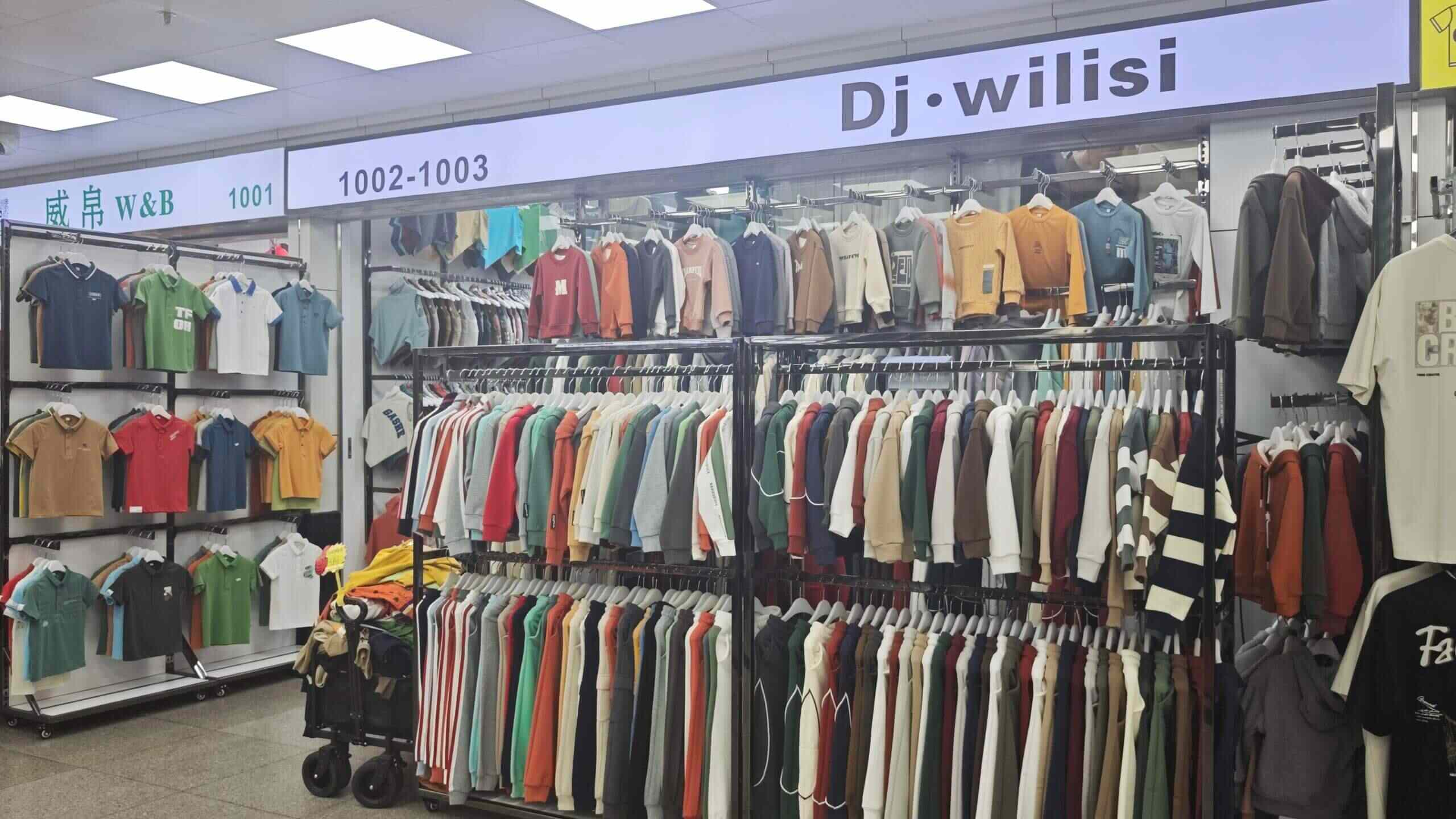
In 2027, China’s supply chain continues to upgrade, with cross-border procurement, small-batch customization and compliant trade becoming mainstream industry trends.
For overseas buyers, cross-border e-commerce sellers and foreign trade enterprises, professional China sourcing agents act as core partners to access high-quality domestic supply sources, cut procurement costs, mitigate trade risks and streamline import & export procedures.
A reliable sourcing agent can reduce overall landed costs by approximately 10% to 30%, while drastically lowering risks of fraud, substandard quality and customs clearance delays. Agents based in Guangzhou boast extensive experience and distinct advantages in clothing, footwear, bags and accessories.
What is a China sourcing agent?
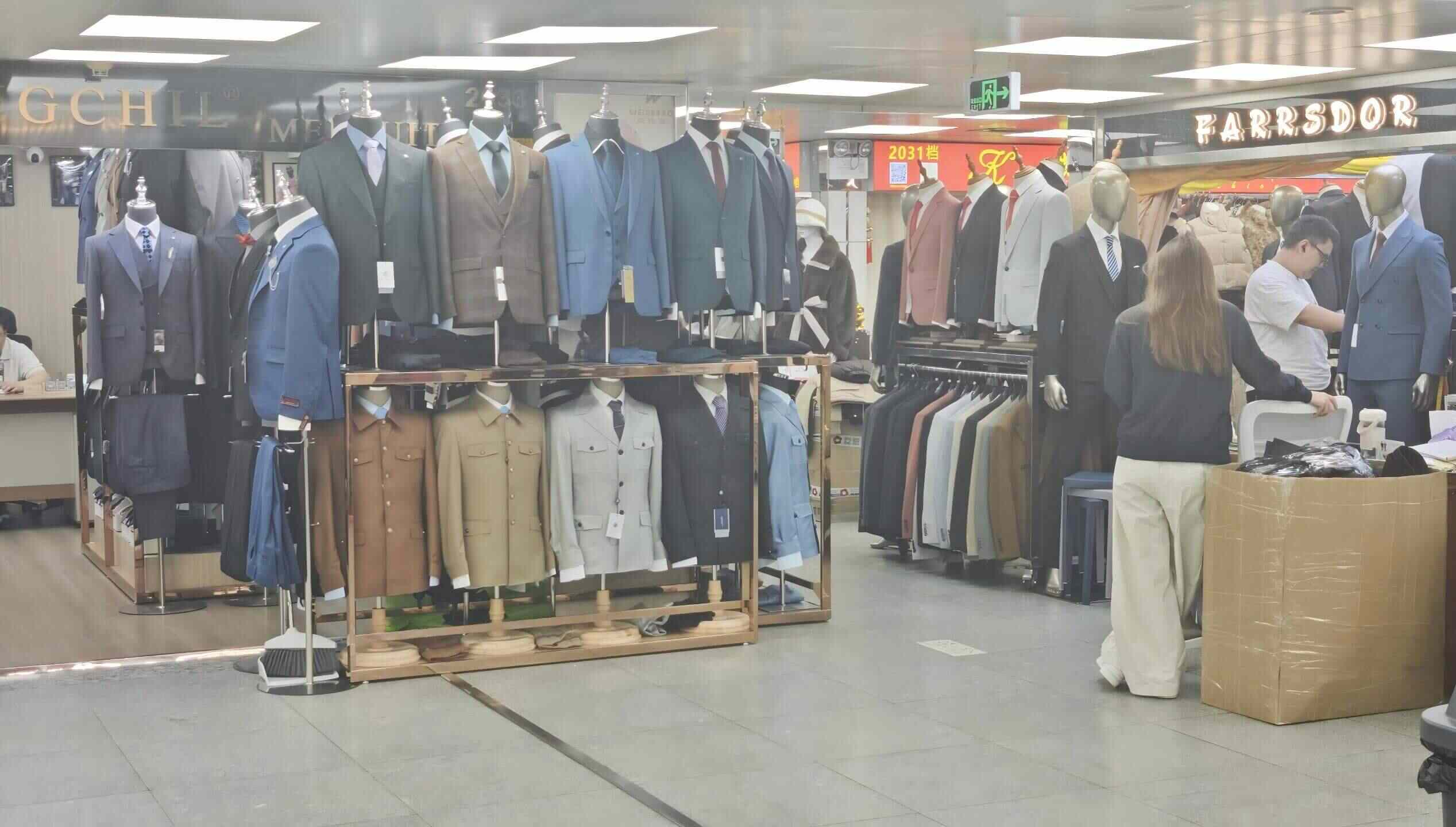
A China sourcing agent (domestic procurement service provider, cross-border procurement intermediary service provider) is a qualified institution or individual with in-depth local supply chain expertise.
Entrusted by domestic and overseas purchasers, they provide full-process or one-stop supporting procurement services including supplier sourcing & verification, inquiry and price negotiation, order follow-up, quality control, logistics coordination, customs declaration & clearance, document preparation and compliance filing.
Different from traditional trade intermediaries and e-commerce platforms, standardized sourcing agents are exclusively buyer representatives whose interests are fully aligned with clients.
Their profit model is transparent and compliant: instead of marking up product prices to earn margins, they only charge fixed service commissions and can present clients with original factory invoices, completely eliminating the opaque multi-layer markup chaos prevalent in traditional trade.
In contrast, trading companies profit from buying low and selling high, while e-commerce platforms merely offer supplier directories,these three parties differ fundamentally.
Core Value of Sourcing Agents,Alignment of Interests Defines Everything
Sourcing agents act as the buyer’s representative, which creates an essential divide from margin-driven trading companies and directory-only e-commerce platforms.
The key distinction lies in aligned interests, you pay the sourcing agent, so their incentives match yours.
Trading companies, however, generate revenue through purchasing goods at low prices and reselling at higher rates. A transparent, trustworthy agent will share original factory invoices and charge clear commissions or service fees on top of the factory price.
Three Common Types of Sourcing Agents
1. Freelance Individual Agents Usually independent individuals specializing in one specific product category. They charge the lowest fees yet possess limited resources and support systems.
2. Sourcing Agent Companies Structured teams that systematically manage supplier assessment, quality inspection, logistics and other matters with comprehensive service coverage.
3. Hybrid Service Providers Operate local offices and maintain partnerships with third-party inspection firms and freight forwarders to deliver integrated all-in-one services.
Core Service Checklist of Sourcing Agents

Full-service sourcing agents oversee every link across the entire supply chain:
1. Supplier Sourcing & Verification
Match original manufacturers per your requirements and audit their business licenses, production capacity, export track records and other qualifications.
2. Price Negotiation
Leverage local market insights and industry expertise to secure genuine factory ex-factory prices and calculate full landed costs.
3. Quality Control & Inspection
Assist with sampling and custom development, track production progress and supervise manufacturing processes, implementing pre-production raw material checks, in-line random sampling and pre-shipment full inspections with formal quality reports to prevent defective goods from shipment.
4. Logistics Integration & Transport Coordination
Consolidate sea freight, air freight, express delivery and land transport resources to design optimal logistics solutions, track shipments in real time and resolve freight anomalies.
5. After-sales Support
Facilitate handling of defective products, returns & exchanges and trade dispute resolution.
Standard Sourcing Workflow with Reputable Agents
The cooperation process is clear and controllable:
1. Demand Communication: You submit product specifications, order quantities and target price ranges.
2. Supplier Sourcing: The agent screens original manufacturers within 3 working days, conducts price comparisons and issues detailed quotation sheets with zero hidden charges.
3. Sample Confirmation: Arrange sample production as requested and send physical samples via international courier for your approval.
4. Deposit Payment: Assist with deposit remittance to initiate production; the agent shares real-time production photos and regular progress reports.
5. Pre-shipment Inspection: Conduct spot checks during production and comprehensive full inspections before dispatch, requiring factories to rework or rectify non-compliant goods.
6. Order Consolidation & Export Documentation: Consolidate separate orders and prepare full customs clearance paperwork.
7. Shipment & Logistics Tracking: Arrange delivery and provide continuous shipment visibility.
8. Receipt & After-sales Service: Follow up on buyer feedback after goods arrival and optimize cooperation solutions for recurring procurement.
When You Need (and Don’t Need) a Sourcing Agent
Sourcing agents are not suitable for all procurement scenarios. Judging cooperation timing reasonably maximizes cost savings and efficiency, based on 2026 industry conditions:
Scenarios Where a Sourcing Agent Is Highly Recommended
1. Multi-category procurement with scattered supply sources requiring consolidation and combined shipment from multiple factories
2. OEM/ODM customized orders and orders with strict quality standards
3. Stable annual purchasing volume with frequent repeat orders and cost-reduction targets
4. Unable to travel to China in person
5. Past negative experiences such as supplier disappearance after deposit payment or severe quality defects
Scenarios Where a Sourcing Agent Is Unnecessary
1. One-off ultra-small purchases below USD 500 for personal use
2. Small-batch, simple repeat orders from long-trusted single suppliers
3. You already maintain an in-house team or established partners based in China
4. Procurement of highly transparent standardized commodities with fixed public pricing
Standard Charging Standards for Sourcing Agents in 2027 (Latest Industry Benchmarks)
The 2027 sourcing agency sector features transparent, standardized pricing with rampant hidden markup practices eliminated. Three mainstream billing models apply:
| Charging Model | Standard Rates & Amounts | Applicable Scenarios |
|---|---|---|
| Value-based Commission | • Tiered rates ranging from 1.5%–10% of total order value • Minimum single-order charge: RMB 5,000–8,000 | Large and medium-sized regular procurement projects; fees fluctuate with order scale |
| Fixed Package Fee | • Small projects: RMB 800–2,000 per order • Standard projects: RMB 10,000–15,000 per order | Standardized small-batch orders with clear budgets and simple workflows |
| A La Carte Service Fee | • Demand research & document drafting: 0.2%–2% of order value • Delivery acceptance inspection: Minimum RMB 20,000 per order | Add-on value-added services purchased separately, not bundled with basic agency services |
Commission rates adjust according to order size:
• Orders under USD 10,000 (small volume): 8%–10% commission
• Medium-sized orders: 3%–8% commission
• Large-volume or long-term framework orders: 1.5%–3% commission
Price Traps to Watch For
Avoid agents demanding large upfront deposits without delivering tangible progress, those without physical office premises, and parties with ambiguous commission structures.
Tariffs, Compliance & Risk Mitigation in 2027: How Agents Help You Adapt
Importers in 2027 face an evolving trade landscape including Section 301 tariffs, reciprocal tariff measures, the "China+1" supply chain diversification strategy, plus stricter scrutiny over labor standards, environmental regulations and product safety. Qualified sourcing agents monitor policy updates in real time, recommend alternative suppliers amid regulatory shifts, and ensure complete documentation for smooth customs clearance to prevent shipment delays.
Why Guangzhou Is a Core Clothing Sourcing Hub
Within China’s national clothing procurement ecosystem, Guangzhou retains its position as the country’s primary clothing sourcing hub in 2027 and the top destination for overseas clothing buyers, also serving as the core supply base for garment-focused sourcing agents. Its core strengths lie in four dimensions: complete supply chains, abundant style options, cost-performance advantages and mature supporting services.
8 Criteria for Selecting a Reliable Sourcing Agent
Avoid partnering with the first agent that contacts you; evaluate candidates against these 8 standards:
1. Possess a physical office in Guangzhou and can arrange factory site visits for you
2. Do not charge upfront supplier-sourcing fees before service delivery
3. Provide verifiable client references you may contact for testimonials
4. Operate an in-house inspection team or stable partnerships with third-party inspection companies
5. Issue formal written contracts detailing all service terms
6. Demonstrate extensive professional experience in your specific product category
7. Deliver prompt communication with fluent English proficiency
8. Do not force you to use designated suppliers — a major red flag indicating potential kickback schemes
Combining Dropshipping and Traditional Bulk Import to Capture Dual Advantages
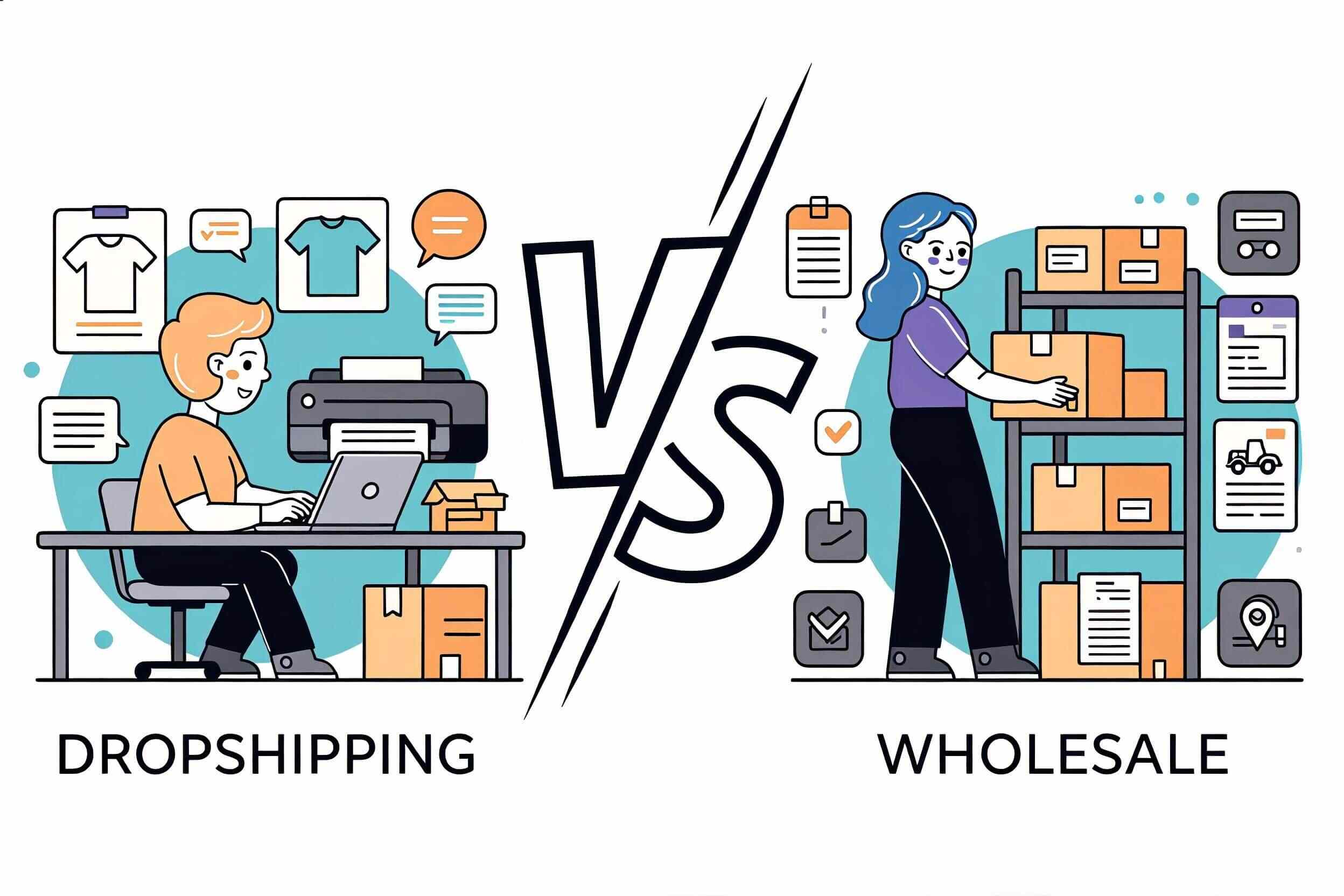
Dropshipping Model
Advantages: Zero inventory, low entry barrier, no overstock risks, flexible style testing for new releases and niche trending items Disadvantages: High unit costs, unstable delivery lead times, limited pricing power; unsuitable for long-term mass shipments
Traditional Bulk Import Model
Advantages: Low per-unit procurement and logistics costs, stable supply chains and larger profit margins; ideal for stocking proven bestsellers and consistent long-term sales Disadvantages: Heavy inventory capital lockup and high trial costs for untested new styles
In 2027, leading brands adopt a dual strategy: use dropshipping to test market response for new designs, then shift proven hit products to full-container bulk imports to maximize profitability.
Real-World Case Studies
Case 1: US Amazon Clothing Seller (Women’s Basic Wear)
The seller previously placed two direct factory orders independently, suffering massive negative reviews and overstock due to severe color deviation and inconsistent sizing. After partnering with our team, we implemented strict color matching and size sample validation for the first order. Total comprehensive costs dropped by 22% with a 100% qualified delivery rate; the client now places stable monthly repeat orders.
Case 2: Middle Eastern Boutique Buyers
The boutique sourced T-shirts, knitwear, denim and seasonal accessories from 8 separate manufacturers. Individual factory shipments led to exorbitant split freight charges and inconsistent delivery timelines. Our team consolidated all orders for combined sea/air shipping, cutting logistics costs by nearly half and ensuring all goods arrived before seasonal launch for immediate sell-through.
Case 3: Emerging DTC Women’s Fashion Brand (Independent Website)
The brand launched with small-batch dropshipping to test styles. After validating a best-selling printed dress design, they transitioned to full-container bulk imports, drastically boosting supply chain efficiency. Within 18 months, monthly sales grew from hundreds of units to annual revenue exceeding RMB 10 million with healthy inventory turnover, representing 4x revenue growth.
Frequently Asked Questions & Risk Avoidance Guide
Q1: Can sourcing agent service fees be negotiated?
Yes. Discounted commission rates are available for large single orders and annual long-term framework cooperation. Reputable agents will not slash prices arbitrarily; negotiation leverage depends on order volume. Extremely low quoted rates signal compromised service quality.
Q2: Can sourcing agents guarantee zero defective products?
Absolute zero defects cannot be guaranteed, yet professional agents minimize defect rates via multi-stage inspection protocols. They also offer rework support, after-sales compensation and risk coverage for missed or faulty inspections within contracted service scope to offset client losses.
Q3: Why are Guangzhou-based sourcing agents particularly recommended?
Guangzhou hosts the world’s largest clothing wholesale market with an extremely diverse product range and low minimum order quantities, perfectly matching e-commerce and dropshipping business models. Local agents possess intimate market knowledge to streamline your procurement operations.
Q4: Which delivers lower total landed costs: individual direct purchasing or agent-assisted sourcing?
Agent-led procurement yields lower comprehensive long-term costs for bulk recurring orders. Though agency service fees apply, clients save substantial hidden expenses including factory markups, logistics surcharges, tariff expenses, labor overhead and dispute resolution costs — resulting in far lower overall landed costs than individual small-scale purchasing. Direct individual sourcing is more cost-effective only for one-off tiny orders.
Q5: How to prevent collusion between agents and manufacturers for improper gains?
Select buyer-exclusive sourcing agents with transparent fee structures that do not earn product resale margins. Include contractual clauses prohibiting agents from receiving supplier kickbacks or markups, and require full multi-factory comparison sheets plus original factory quotation documentation for full transparency.
Q6: What is the typical timeline for a full agent-managed order?
A standard order from initial consultation to shipment takes 30–60 days, subject to product complexity and customization requirements.
 Open in App